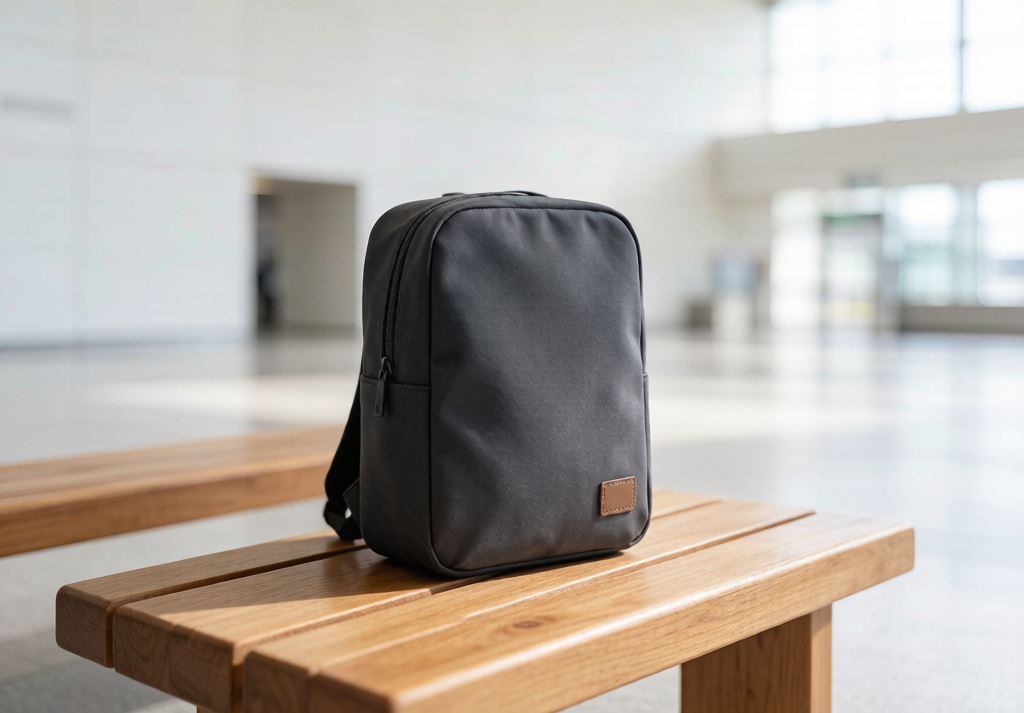
The first time we tried one bag travel, we failed on purpose. We packed a 40-liter backpack for a two-week trip and then, at the door, panicked and stuffed a second duffel with “options.” we carried both. We used maybe six items from the duffel across the entire fourteen days, and three of those were things we could have bought anywhere.
The second time, we actually committed. One backpack, under seven kilos, no checked bags. That trip taught us more about what we actually need than any decluttering project at home ever did.
What One Bag Actually Looks Like
Here’s the packing list we’ve settled on after a few dozen trips. It’s not exotic. Three shirts, two pairs of pants, four pairs of socks, four underwear, one sweater or fleece depending on season, one rain shell, one pair of shoes on our feet and one pair of sandals in the bag. Toiletries in a bag the size of a paperback. A laptop, a charger, one small power bank, a notebook and a pen.
That’s it. It fits in a bag we can lift with one hand, and it weighs less than a bag of groceries.
The specific numbers matter because they’re honest. Four pairs of socks is not a sacrifice—we do laundry every four or five days and it takes twenty minutes. The “emergency” extra shirt we used to pack never once got used in an emergency. It got used when we were too lazy to do laundry, which is a different problem with a different solution.
The Freedom Is Real, Just Not Where People Say
People talk about one bag travel like it’s about skipping the luggage carousel. That’s nice, but it’s not the main thing. The main thing is that a light bag changes your decisions during the trip, not just at the airport.
With one bag, you can walk from a train station to a hostel without spending an hour deciding whether the distance justifies a taxi. You can check out in the morning and wander until your evening train because your home is on your back. You can change plans without a logistical summit about what to do with your suitcase.
We once missed a connection in a city we’d never been to and, instead of it being a disaster, it became a full extra day. We just walked out of the station with everything we owned and found a room. If we’d been dragging a checked bag, we would have camped in the terminal out of inertia.
What we Cut, And What we Won’t
The easiest thing to cut is the “what if” layer. What if it’s cold? Bring the one layer you can wear in layers. What if we go somewhere nice? Bring one shirt that works for both a hike and a dinner. What if our bag breaks? It hasn’t, in ten years.
The honest trade-off: you do laundry more, and you can’t bring back much. We’ve left good souvenirs behind because they didn’t fit. We’ve worn the same shirt to the same friend’s place two days in a row and they never once mentioned it. Nobody notices your outfit as much as you think, which is freeing once you accept it.
We won’t cut our own pillow case. It weighs almost nothing and it makes every bed feel like ours. We won’t cut the notebook and pen, even though our phone could do the job, because writing on paper is part of why we travel in the first place. One bag travel isn’t about packing the theoretical minimum. It’s about packing the minimum that still feels like you.
Start With A Weekend
If you want to try it, don’t start with a month in Southeast Asia. Start with a weekend trip to a city two hours away. Pack what you think you need, then remove a third of it, then go. You’ll discover you barely miss the removed third, and that discovery is the whole point.
One bag travel didn’t make us a better traveler because it made our bag smaller. It made us better because it forced us to be honest about what we actually use, and that honesty leaked into the rest of our life.